Day 21: Hope
On Friday morning the team members and the VIP staff and interpreters squeezed our way into 3 vehicles and drove out to one of the furthest villages that we work with, Ngwalangwa, which approaches Lake Chilwa, the eastern-edge of which forms part of Malawi’s border with Mozambique. We were driving out to take part in a goat deworming initiative, organized and sponsored by VIP. Goats are one of the primary sources of animal protein for our partner villagers and the sale of goats is a significant source of supplementary income for many of the farmers that we partner with. This was the rationale behind the goat pass on program that VIP implemented several years ago.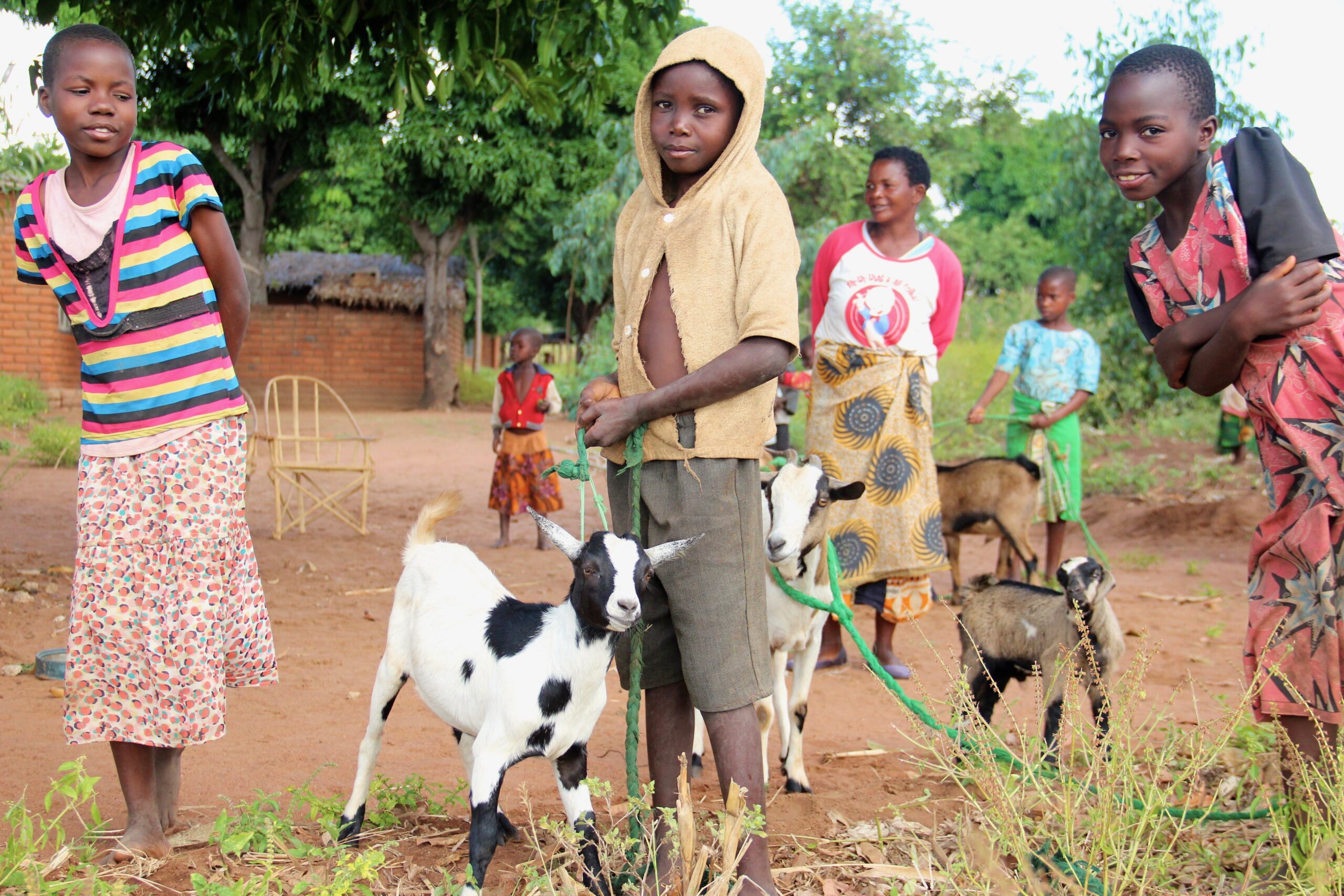 It works like this: donors in the United States make a donation which provides a vulnerable family in Malawi with a goat. The vulnerable family cares for that goat and when it has its first kid, they pass the kid on to another vulnerable family and thereafter are free to make money selling the subsequent offspring to markets and other villagers. The families that receive the “pass-on” goats from their neighbors follow the same course, and slowly but surely the gift of one goat from one donor spreads throughout an entire village. One beneficiary of this program had sold over 16 goats after receiving her gift of a single goat, and has completely transformed the standard of living of her entire family.
Unfortunately in a land where most people do not get appropriate medical attention, animals almost never receive veterinary care. As a result animal mortality rates are extremely high, and the numbers and production of these animals is correspondingly low. The number 2 and 3 causes of death of goats and other small ruminants in Malawi and throughout sub-Saharan Africa are diarrhea and starvation. Intestinal worms and parasites are a leading cause of both of these conditions. So by creating a program to deworm local goats, VIP can help these goats live happier, healthier lives which means more goats, more protein and higher incomes for our partner villagers. For less than 40 cents, roughly the cost of one dosage of the deworming medicine, we can help ensure the future health and stability of an entire family.
When we finally arrived at Ngwalangwa we found a strange scene. Dozens of goats, of all shapes and sizes, had been gathered in the open area between a CBCC that VIP was building and a nearby playground. Most of the goats had been led there by small children, and as we descended from the vehicles it was clear that not all of the goats wanted to be there. Some were in the process of escaping from their owners, who were running and jumping behind the escaped goats, vainly trying to grab the end of the rope attached to their necks.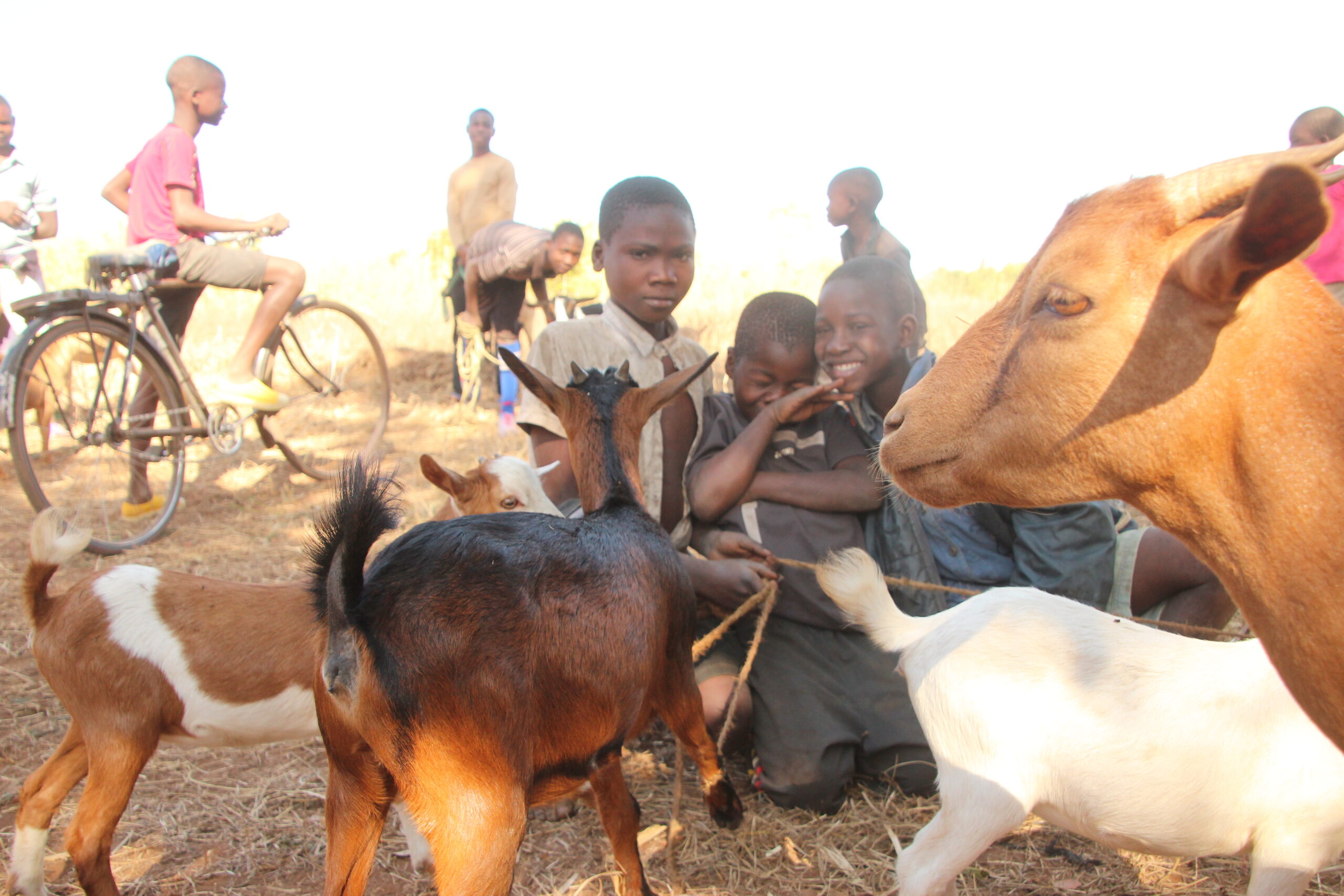 Others were bleating plaintively, over and over again, and if you closed your eyes for a second, it almost sounded like little children crying out for help. Realizing that this work needed to be done quickly, but carefully, for the well-being of all involved, and so that the children leading the goats could make their way to school in time for the closing day ceremonies, Frank gathered everyone around him to tell them what we were doing today and to issue instructions. The team members would fill up syringes with the appropriate amount of liquid medicine and then, with the help of the VIP staff, the goat owners, and the local committee members who had helped to organize this event, try to get the goats to swallow it.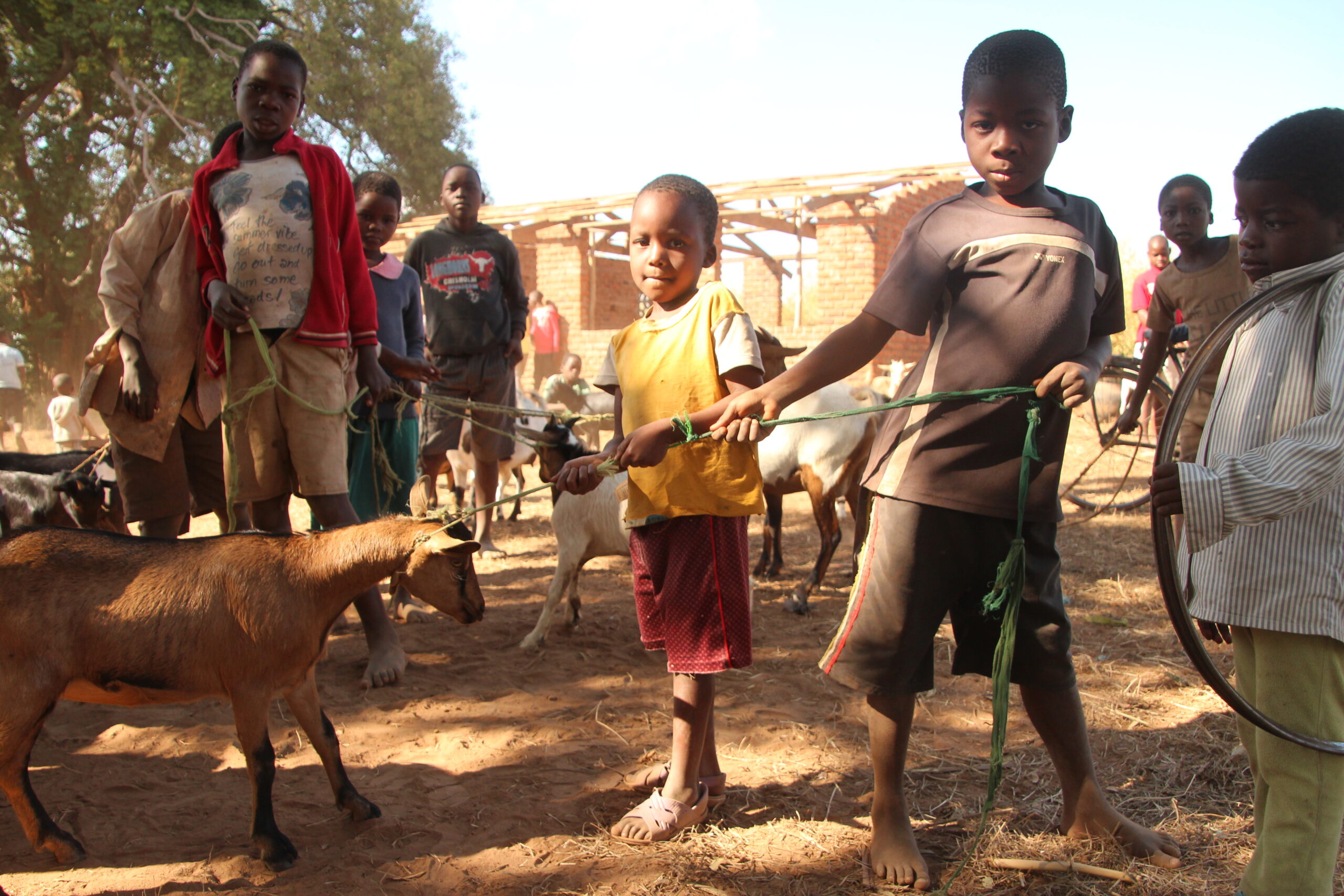
Frank gave everyone a syringe and wished us luck. The VIP team members, armed with their syringes, descended on the goats with a misplaced sense of confidence, and so began a half hour of organized chaos, dominated by the continual, sometimes frantic, bleating of goats, the resistance of every single goat to ingesting any of the medicine, a resistance made all the more frustrating by the fact that every goat we had seen up to that point had been in the process of ingesting something, and by the laughter of those who stayed on the sidelines to watch. 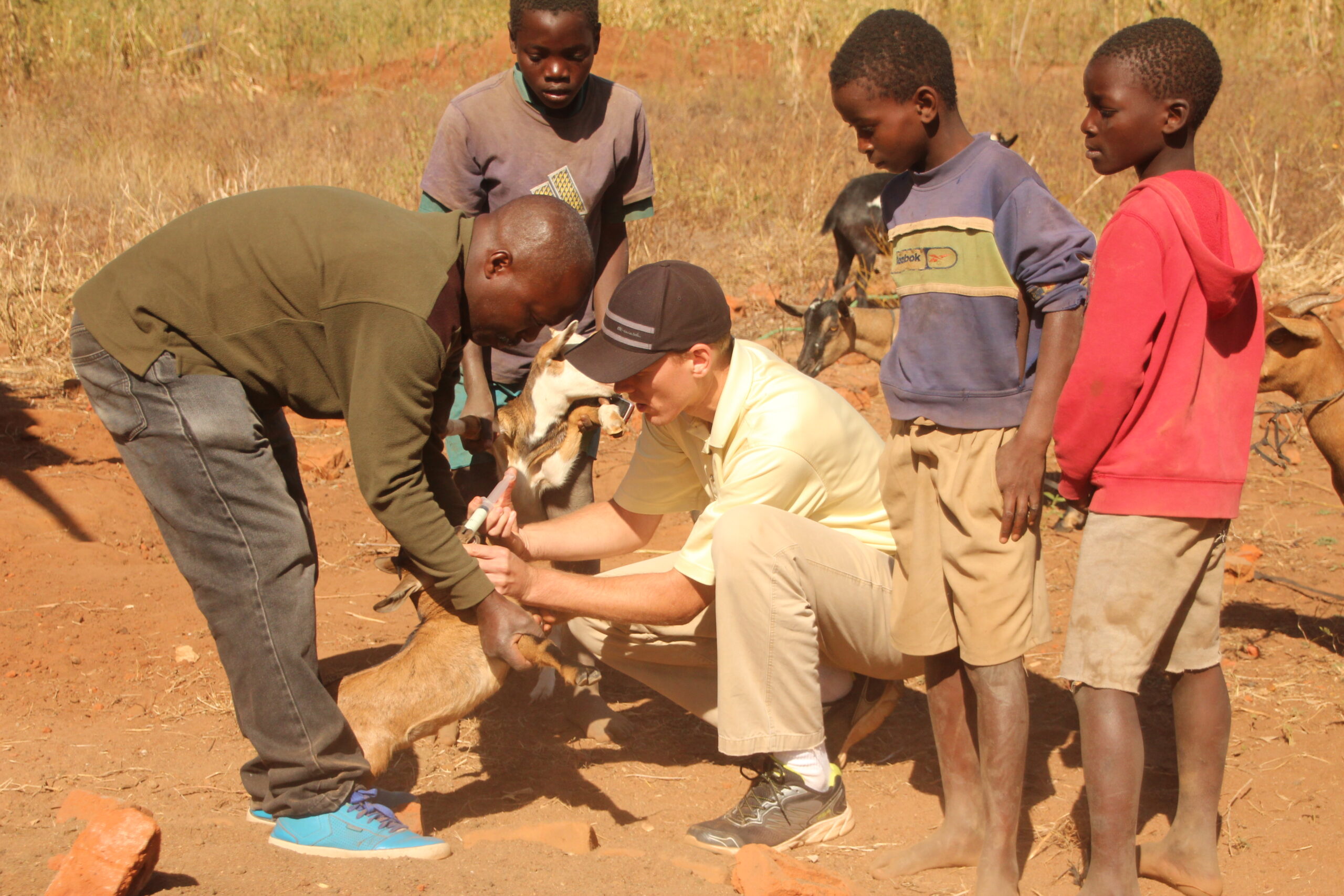 When the last of the goats disappeared down the trail leading away from the CBCC our battered team was able to catch its breath and take stock. The team was covered in regurgitated medicine, goat saliva, and dirt and, in the case of Robbie, several goat bites. But the program had been a success and all of the goats that had been signed up had received their deworming medicine and would be safe from parasites for the year.
The events of the morning had brought a large crowd and most of the kids who had come to see the spectacle had made their way over to the nearby playground where, to their delight, they were joined by John, Tory, Terra and Nicole.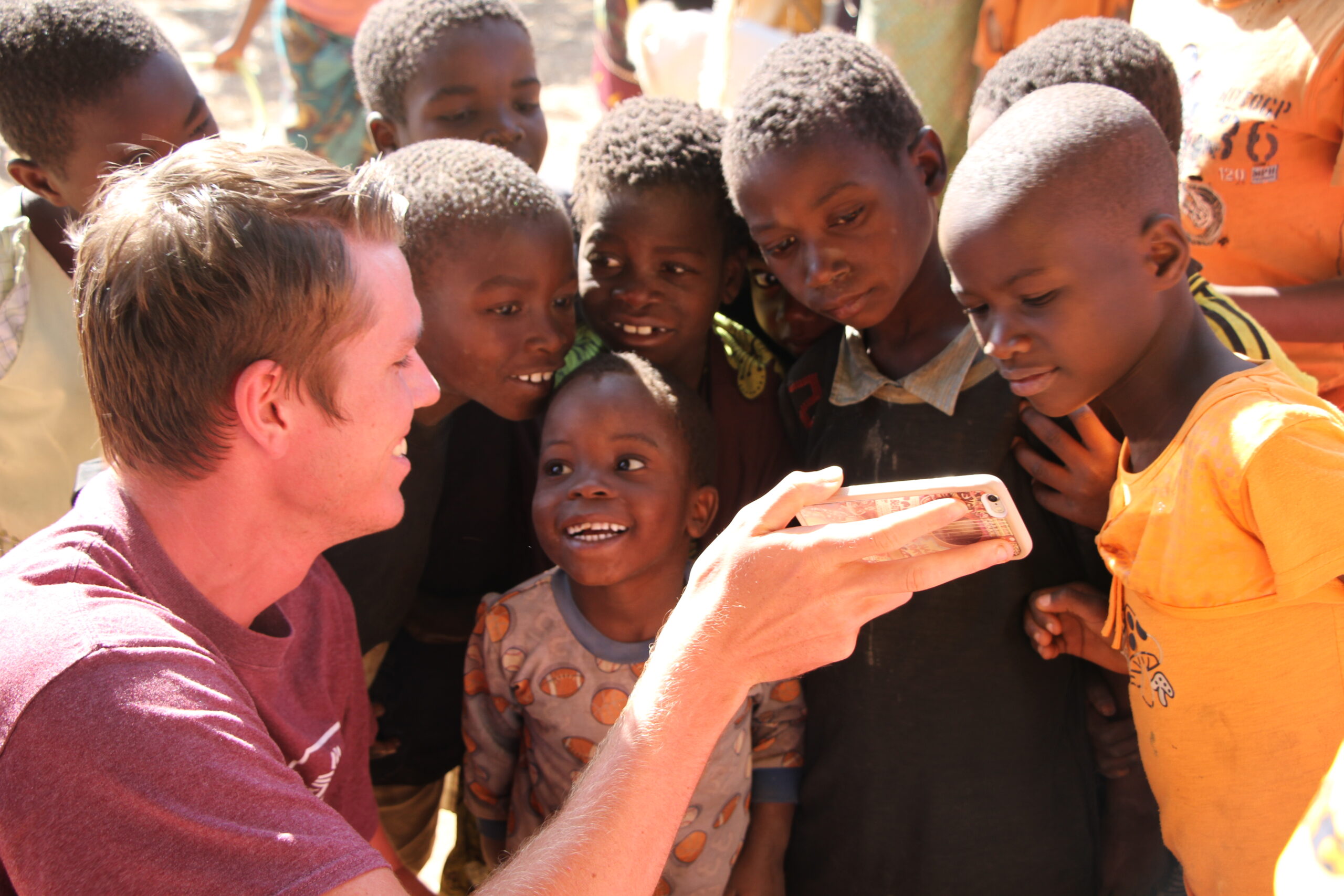 The playground had been built by VIP with funds raised from a very special person. Megan Smith, a teacher at Allentown High School, located across the street from the VIP office, visited Malawi in 2011, after VIP founder Liz Heinzel-Nelson had come to speak at Allentown High School and had inspired Megan to go on a Friendship Trip with VIP. Megan was stunned by the scale and intensity of the poverty she encountered, and when she returned home she made sure that her kids understood how incredibly fortunate and privileged they were. Megan’s youngest daughter Ailey was particularly struck by how different life was for kids in Malawi. Hearing that kids in Malawi didn’t have any toys, and that they had to make soccer balls out of plastic bags stuffed inside each other and wrapped up with string, was a big shock. Ailey decided that she was going to do something about it. She told her Mom that she didn’t want any presents for her 8th birthday or for Christmas, any money that was going to be spent on her should be donated to VIP instead, so that we could build a playground for the kids in Malawi. Ailey asked her family and friends to help her and even made flyers and went door to door, asking people to help her raise money for the kids in Malawi. She had soon raised enough money to build an entire playground, and last year the VIP staff built it in Ngwalangwa village, telling the kids about Ailey and naming it Ailey’s Playground.
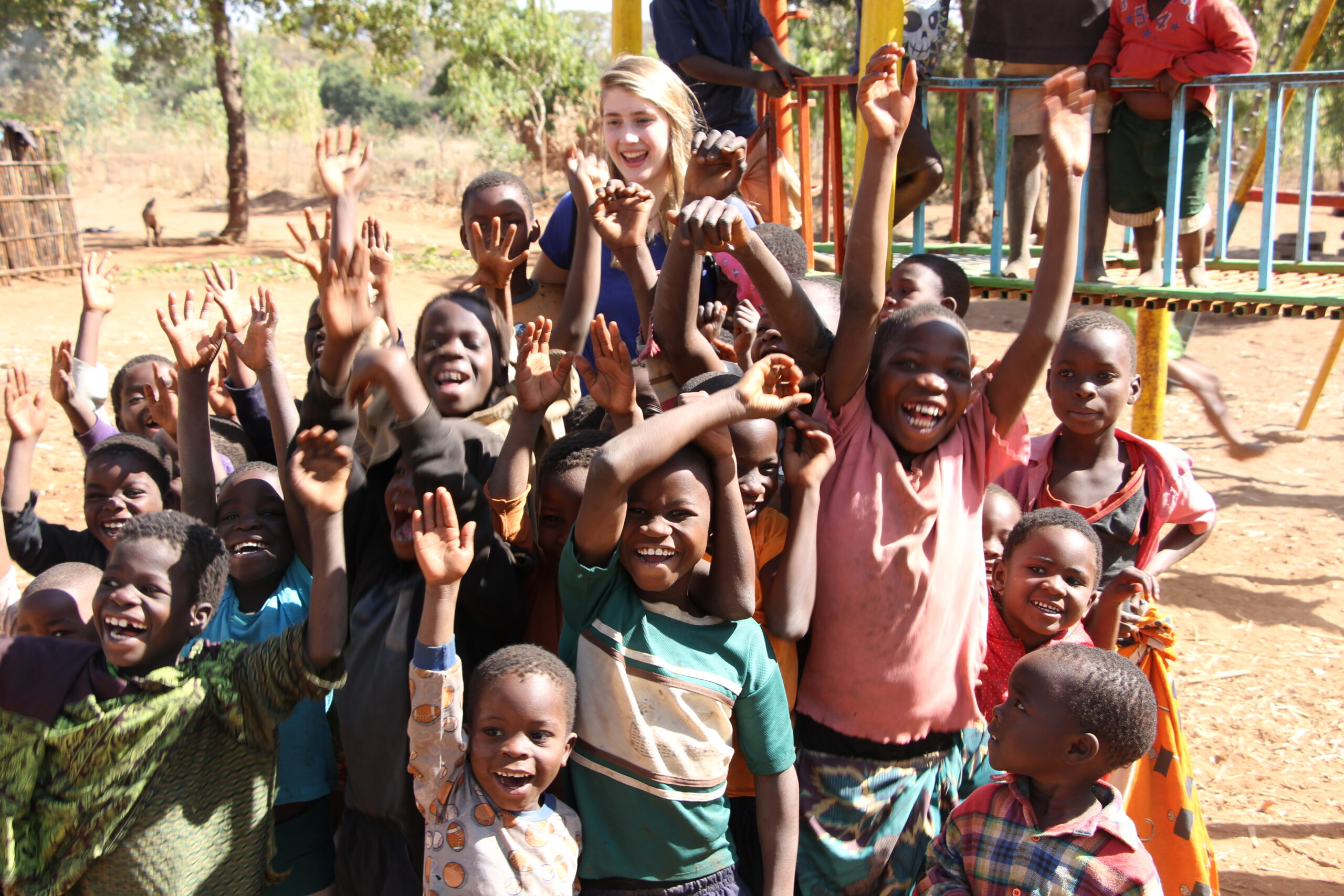 As I watched the kids swinging and sliding away happily, I knew that Ailey’s gift had been warmly appreciated by the children of Ngwalangwa and I couldn’t wait until Ailey got the chance to come see it for herself. In the meantime, Ailey has already begun fundraising for a second playground, so that kids in another village can have a fun place to just be a kid.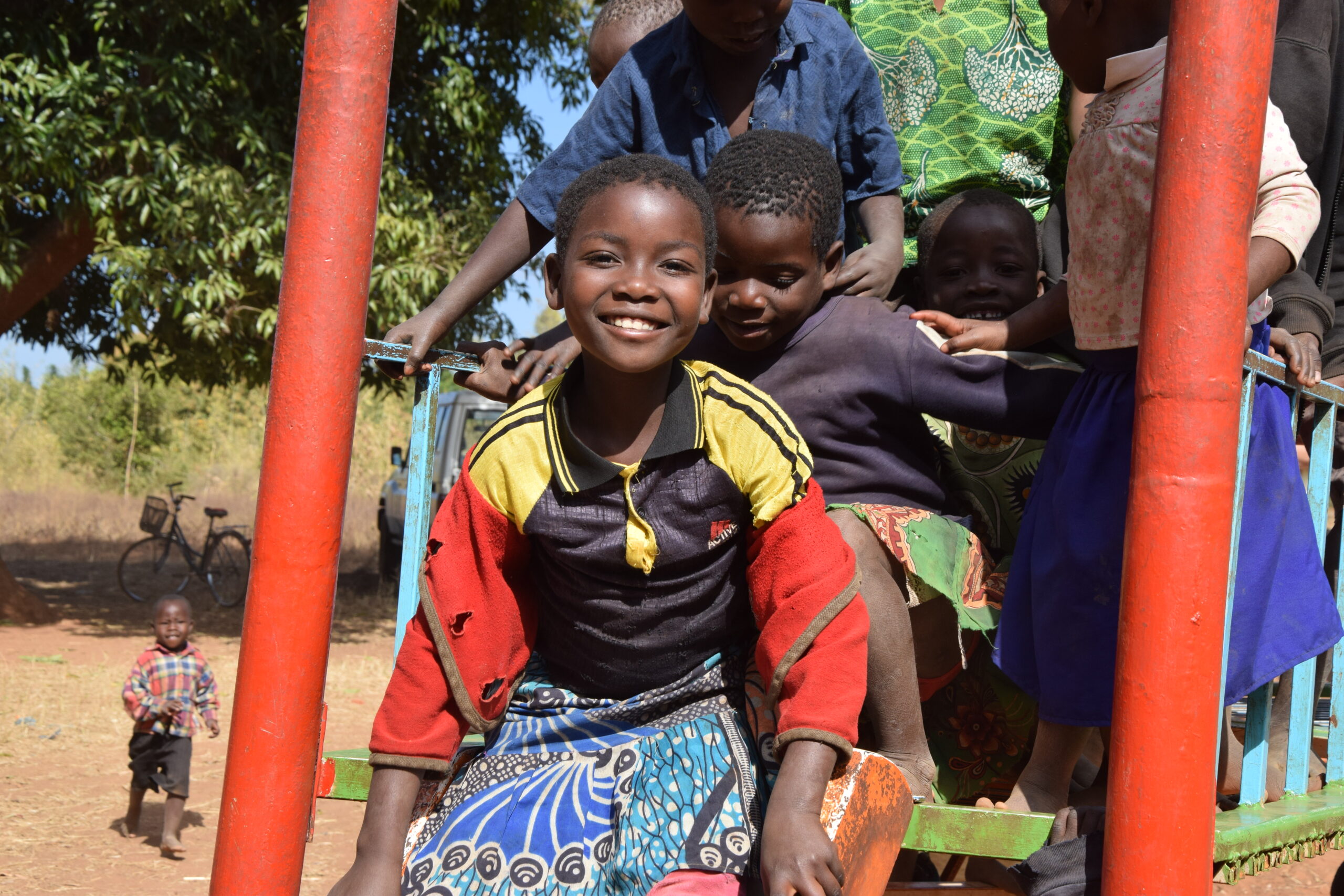
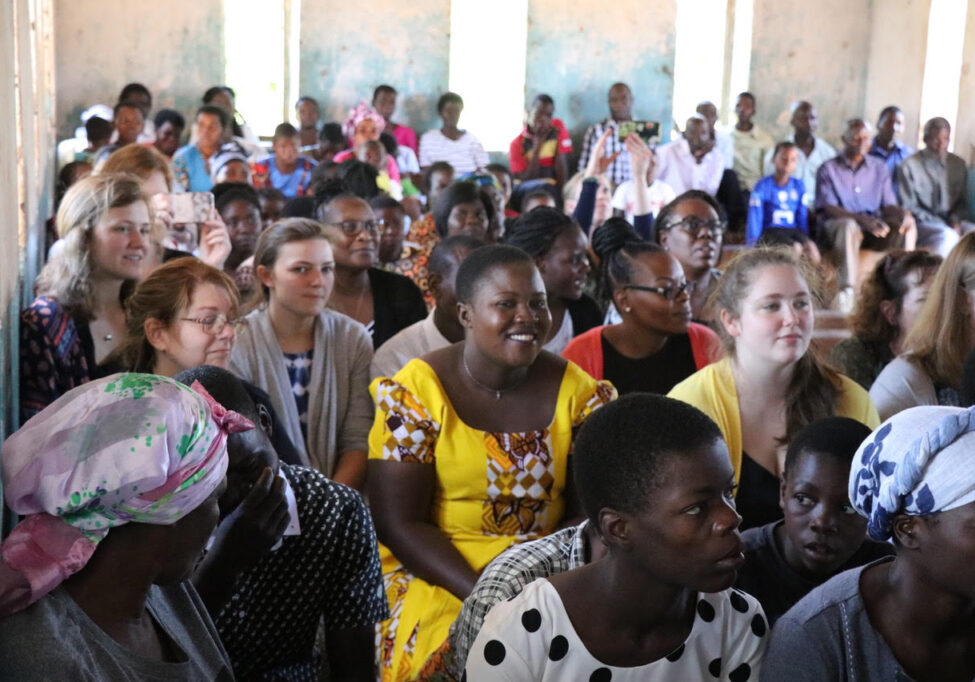
After spending time playing with the kids, and receiving the thanks of the committee and chief for taking part in the deworming, we separated into 4 groups so that we could attend the various school closings going on at some of our partner schools. Enoch, Nicole, Robbie and I were dropped off at the beautiful Chimpeni School, the number one primary school in Zomba, and a school that has been built entirely by VIP and the Chimpeni family. We found the students gathered in the courtyard of the campus, sitting in the shade under the broad canopies of the proud and beautiful trees that Chimpeni had wisely insisted remain untouched. Standing and sitting in desks behind the students, were the student’s family members, here to celebrate the big day. After several rounds of speeches, a poem reading by one of the older students, and a rousing rendition of the National Anthem by the entire student body, it was time for the teachers to announce which students had graduated to the next grade.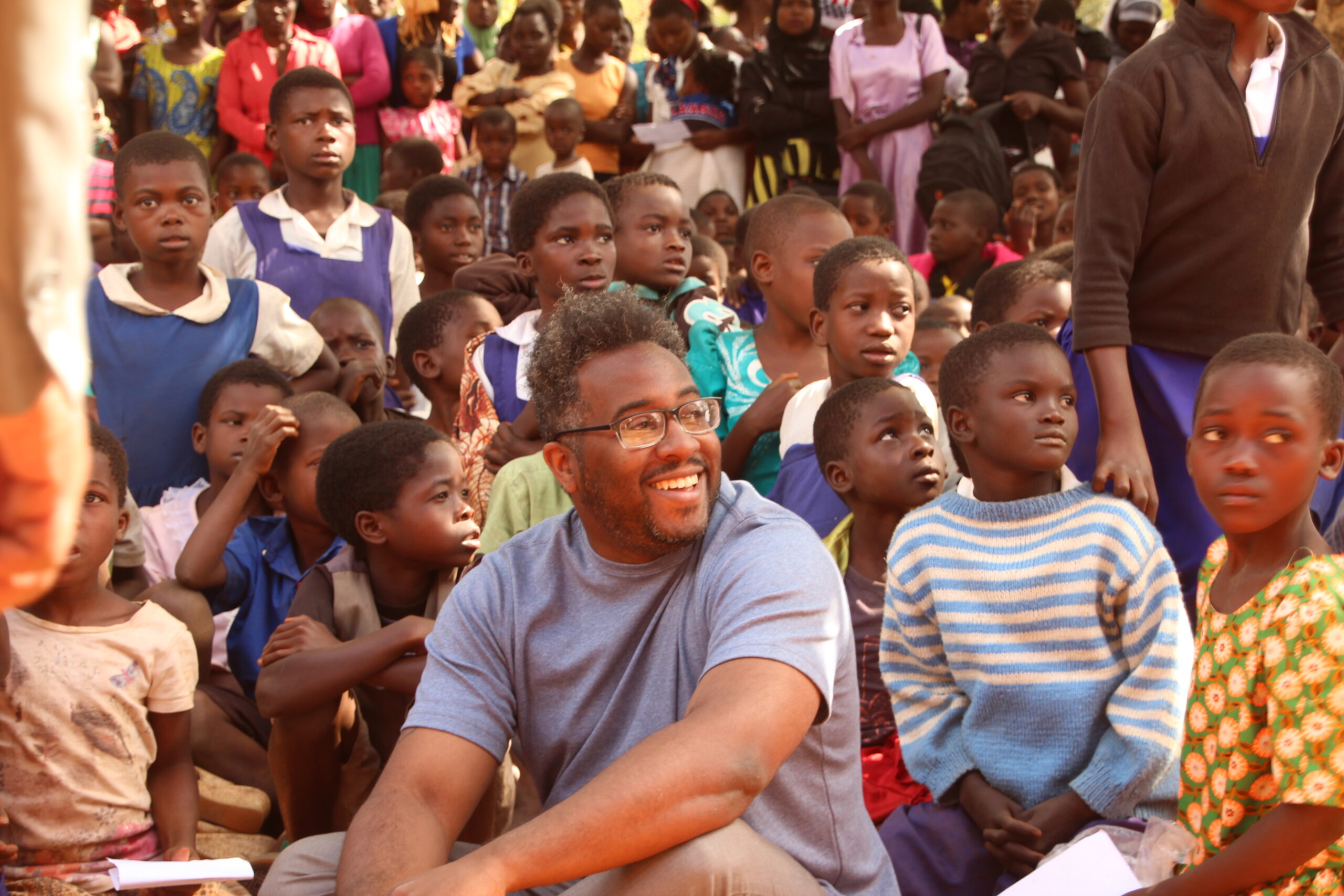 As the student’s names were announced, in order of their class rank, they calmly walked up and stood in line, but their parent’s reactions were anything but calm. When they heard their child’s name called, signifying that they had passed and did not have to repeat, they would shout and run up to the front of the crowd with their arms raised, often times ululating. If they caught their child on the way up to the line they would pick them up, plant a kiss on their cheeks, and carry them the rest of the way. They would give their child a gift, usually some corn chips, a soda and a few kwacha, hug and tip the teacher and then make their way, still celebrating, back to their seat, so that the next parent could celebrate their child’s passing.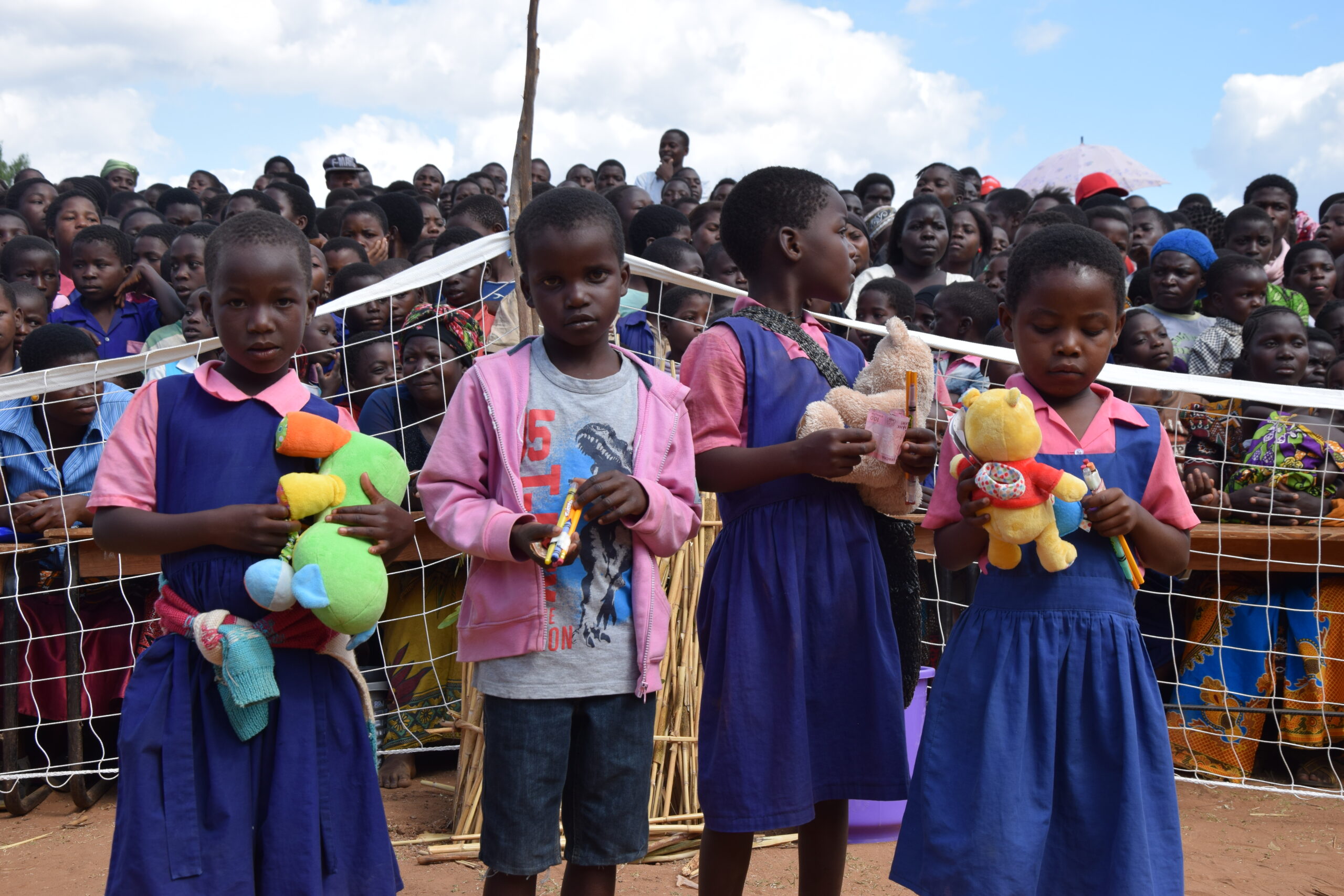
There was an incredible energy and celebratory mood to the entire event and it was easy to understand why. The failure rate for primary school students in all of Malawi is over 20% and less than three quarters of students complete primary school. The numbers are even worse for students in the rural villages where VIP works. The reasons are heartbreaking but simple. Many families can’t afford to pay school fees and, as a result, many kids are forced to drop out when they can’t pay anymore. Others are barely able to stay in school, but don’t have pencils or paper to take notes with, and so aren’t able to study or retain information. Still others are pulled out of school or show up late because they have to fetch water from wells, work in the fields or do other chores to help their families get by. But the families at Chimpeni School were all incredibly focused on academic success. They want their children to have a better life, and they know that education is the best vehicle for achieving success in life. And so the parents celebrated both because they were happy that their children were doing well, and also to show their kids how important school is to their future.
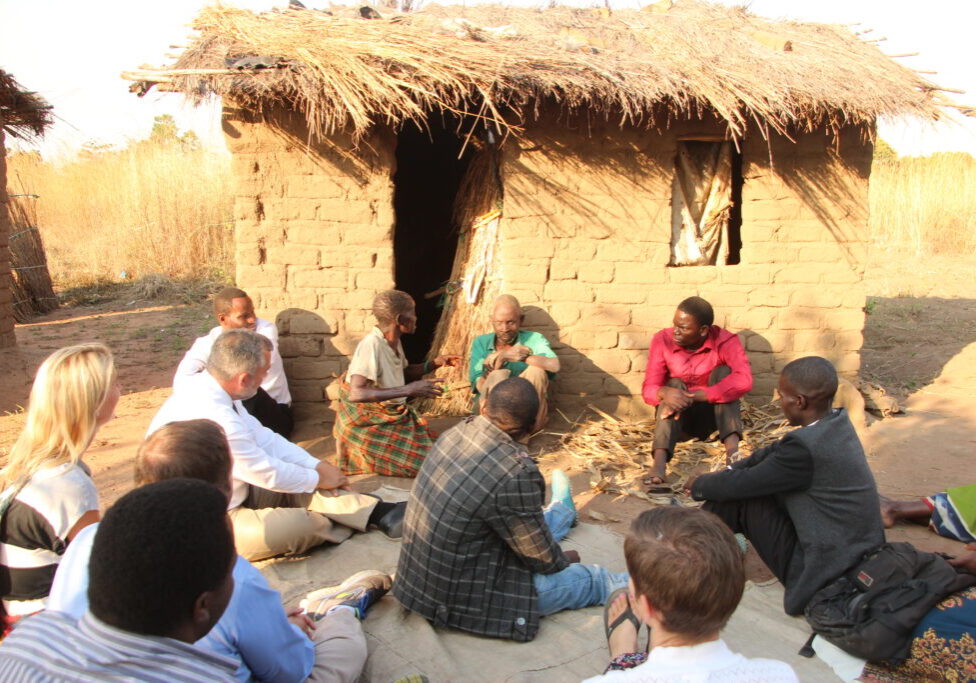
After the school closings had finished we made our way to our afternoon activities, with one group visiting a VSL and another going to see all the changes brought about when VIP brought electricity to Kalupe Village, in 2013, in order to power our Maize Mill. Meanwhile, my group was scheduled to speak with members of a Self-help group. This Self-help group was a VIP-run program that inspires vulnerable women from low-income households to help themselves, and their children, by using their own resources and initiatives to do things they thought were not possible. Research throughout Africa has shown that participation in a Self-help group (SHG) results in women being empowered economically and socially. On the way to visit the SHG (which was also based in Ngwalangwa) we stopped off to speak with a local student named Chimwemwe, who was attending a top ranked secondary school on a VIP scholarship.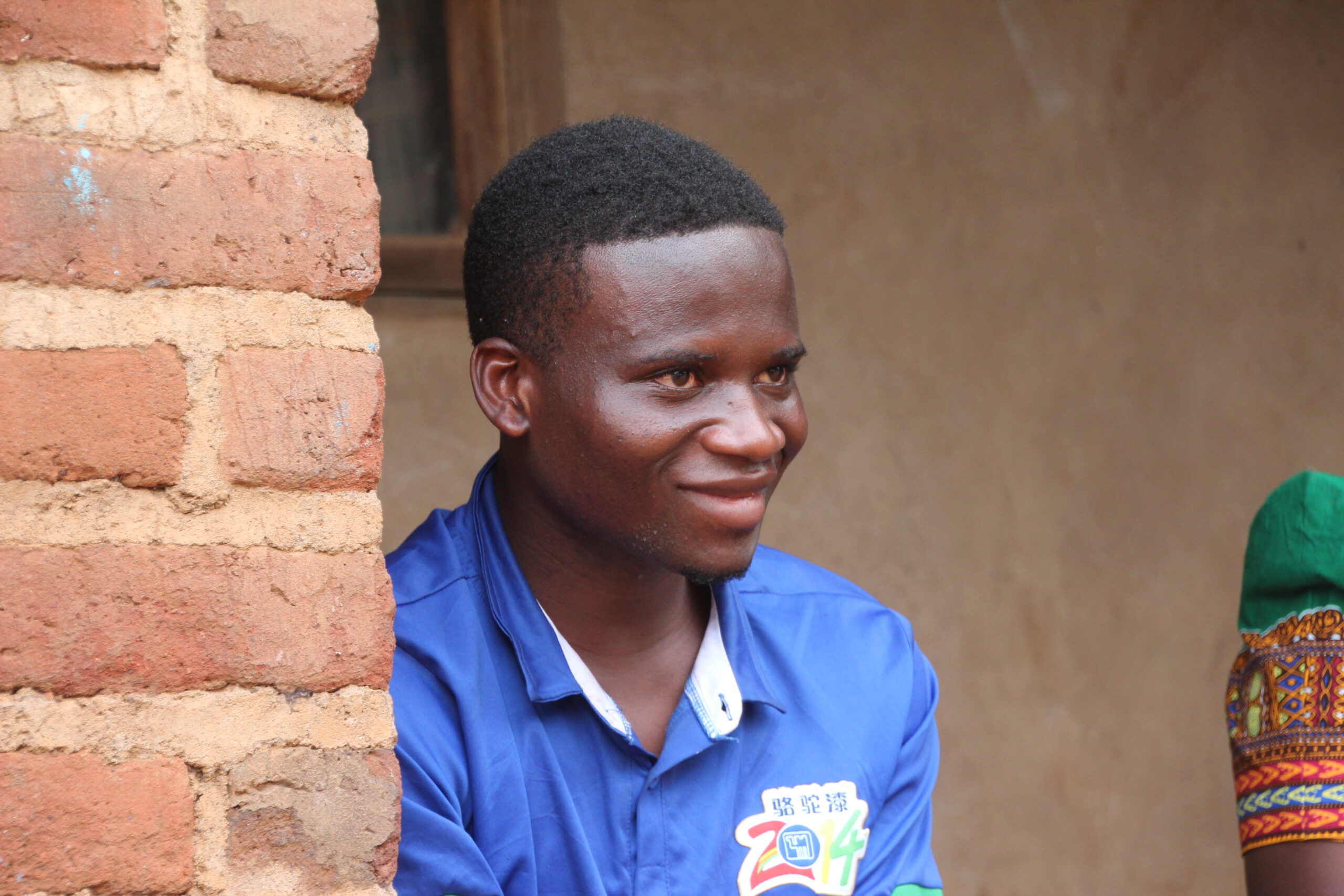 VIP has been providing scholarships for talented students for years. Our staff, particularly Maxwell Muhiwa, VIP’s Education and Vocational Skills Officer, identifies talented and hardworking students from a young age, and if they do well enough on their examinations, VIP provides them with a scholarship so that they can attend top government secondary schools, which, coming from the villages, they would not be able to afford on their own.
Chimwemwe has a remarkable and tragic story. Both of his parents passed away when he was a young boy and he had dropped out of school for four years when he was 10 years old. But his aunt and uncle, a teacher at the Sakata School had encouraged him to go back. Education was incredibly important to his extended family. One of his cousins is now a nurse, who had recently come back to speak to students at a VIP run quiz competition, about how education can change their lives, while another is now in his first year of medical school studying to become a doctor. Chimwemwe followed the guidance of his family, went back to school and began to thrive.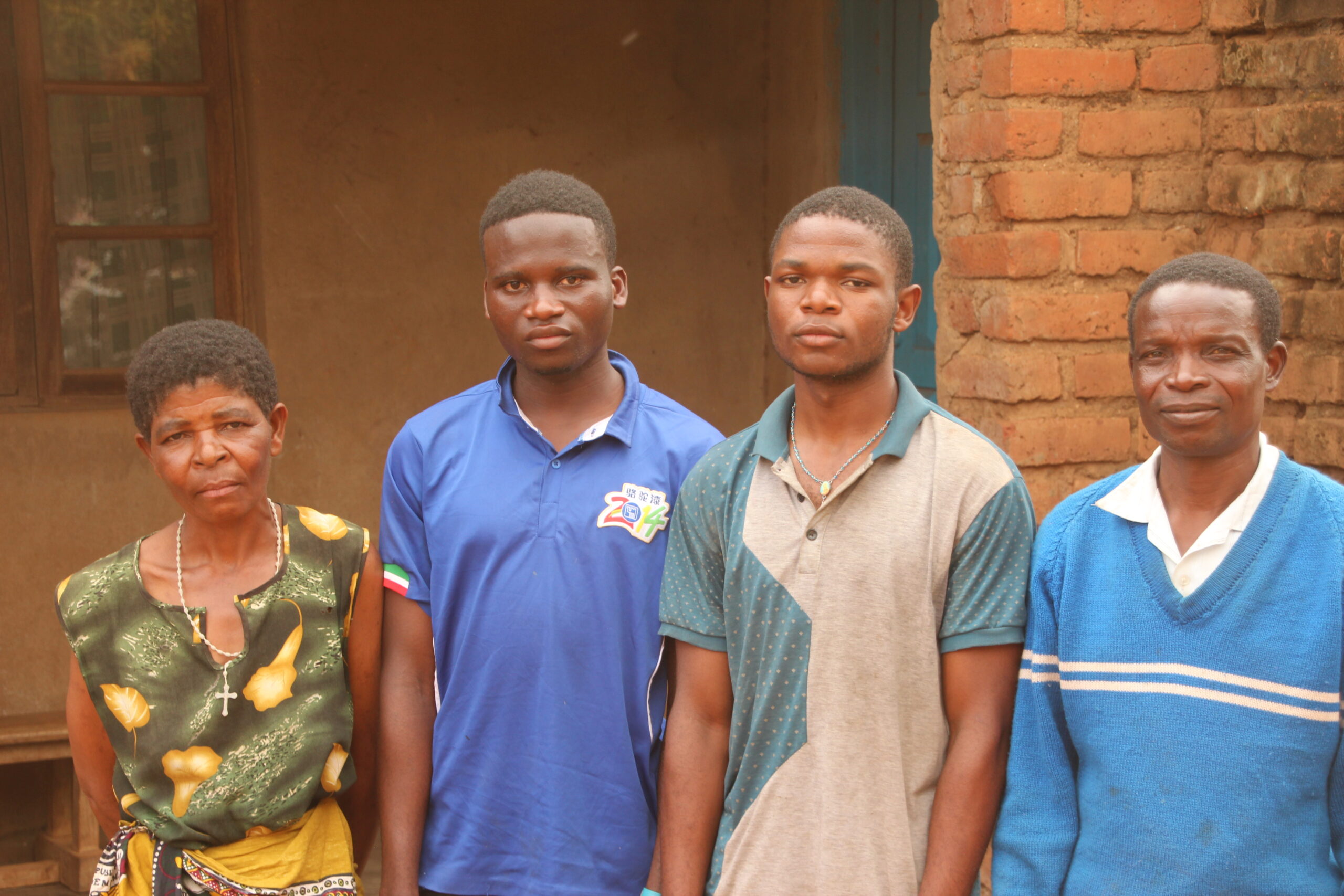 He did exceptionally well on his examinations, and is now a top 5 student at his government run secondary school. He proudly told us that he had recently been accepted in to the Yale Young African Scholars Program, run by Yale University. The Yale Young African Scholars Program is a high-intensity academic and leadership program designed for African secondary school students who have the talent, drive, energy, and ideas to make meaningful impacts as young leaders, even before they begin their university studies. Yale African Scholars brings together students from across Africa in a seven-day, residential program and introduces them to the demanding U.S. university application process and requirements. Chimwemwe, who told us it too was his ambition to become a doctor, will be attending the all-expenses paid program in Zimbabwe, from August 18th to the 24th.
As we said goodbye to Chimwemwe and began the long drive back to Ngwalangwa I reflected back on the ceremony that we had left a few hours ago at Chimpeni School. At times, despite the celebratory atmosphere, I had found myself growing sad as the bright young students came up to me to shake my hand and receive their gifts of pencils, notebooks and crayons from VIP. There was so much promise and potential sitting out in front of me, but I wondered how much of it would be left to stay and wither away in the villages, how many of these kids would get a real opportunity to better their lives? But Chimwemwe’s story gave me hope. Here was the definition of a vulnerable child. A double orphan who had dropped out of school, living in deep poverty. If I had seen him at ten years old, I would have thought his chances of escaping extreme poverty were nonexistent. But through his own hard work, the support of his extended family and the partnership of VIP he was now attending an elite Ivy League Program and dreaming of the day that he becomes a doctor. It reminded me that as long as kids like him continue to have partners, people looking out for them and willing to support their dreams, then these kids really do have a chance at a brighter future.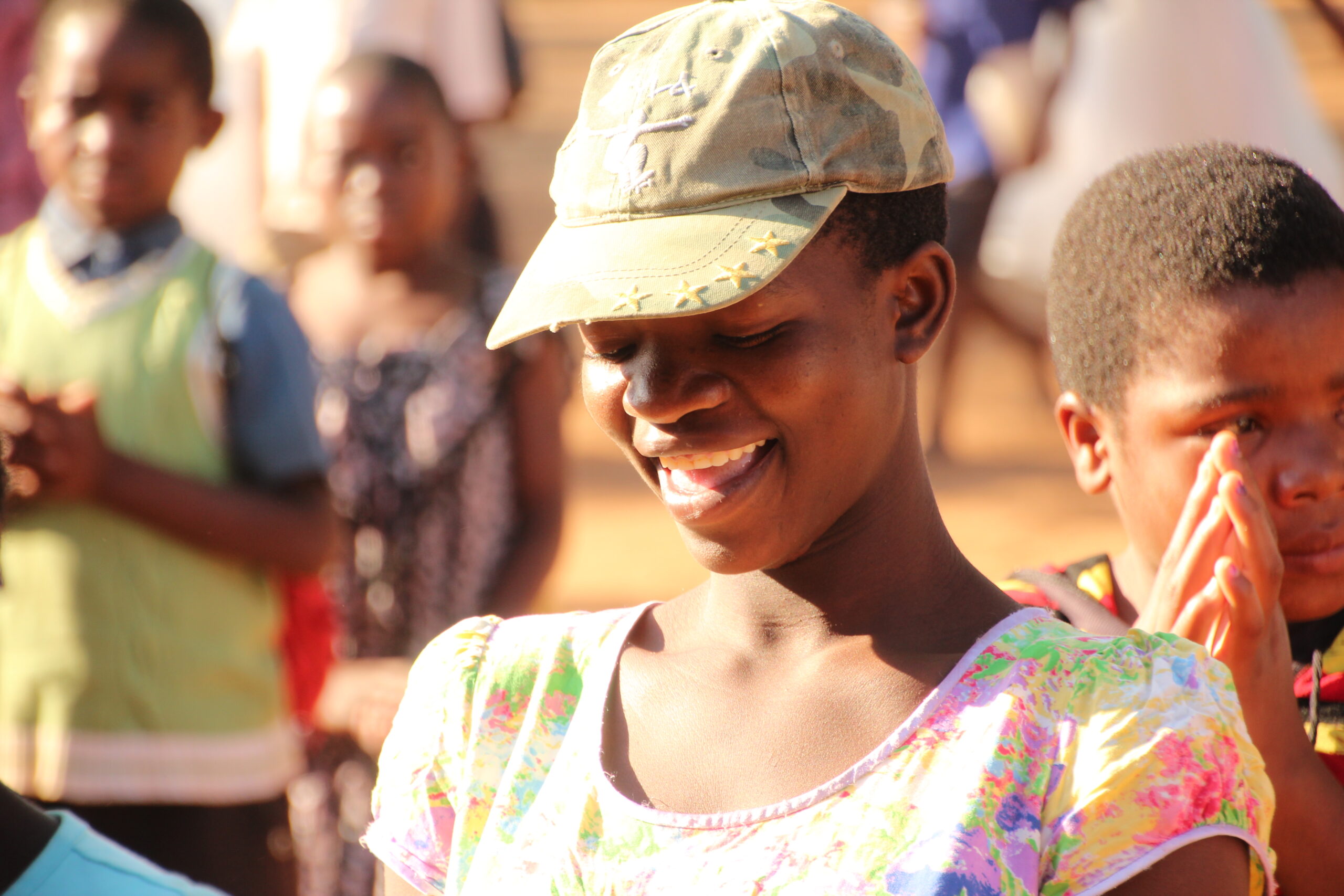
Related Posts