The Looming Climate Refugee Crisis
 Earlier this week we observed World Refugee Day. This day offered us a chance to pause and reflect and hopefully do something to help the over 65 million people around the world who have been forced from their homes; the most displaced people since the catastrophic upheavals brought about by the end of the Second World War. Most of these 65 million people are fleeing war, terror, and natural disasters. Many of them have lost everything they have ever owned and now live in isolated, underserviced and often violent refugee camps. And some, like three year old Alan Kurdi, a Syrian war refugee, who drowned in the Mediterranean after the small rubber dingy that his family hired to take them to Greece capsized, have lost their lives in their attempts to find safety. It may seem strange to some for an organization that does economic development work in Malawi to be concerned about refugees. After all there is no Malawian refugee crisis, and the country as a whole, while desperately poor, is politically stable and secure. In fact, Malawi currently hosts 25,000 refugees from other countries, mostly people fleeing instability and conflict in neighboring Mozambique. But while we at VIP are concerned about the fate of refugees across the world, we as an organization are even more concerned about the refugee crisis coming just around the corner.
While the world is struggling to absorb and care for the over 5 million refugees from the Syrian Civil War, this figure pales in comparison to the 150-200 million refugees that are projected to be displaced from their homes by 2050. The vast majority of these refugees will not fit the standard definition of a refugee: those fleeing war and political persecution. Rather, these refugees will be climate refugees. People that will be forced to leave their homes because the land that they live on can no longer sustain them. 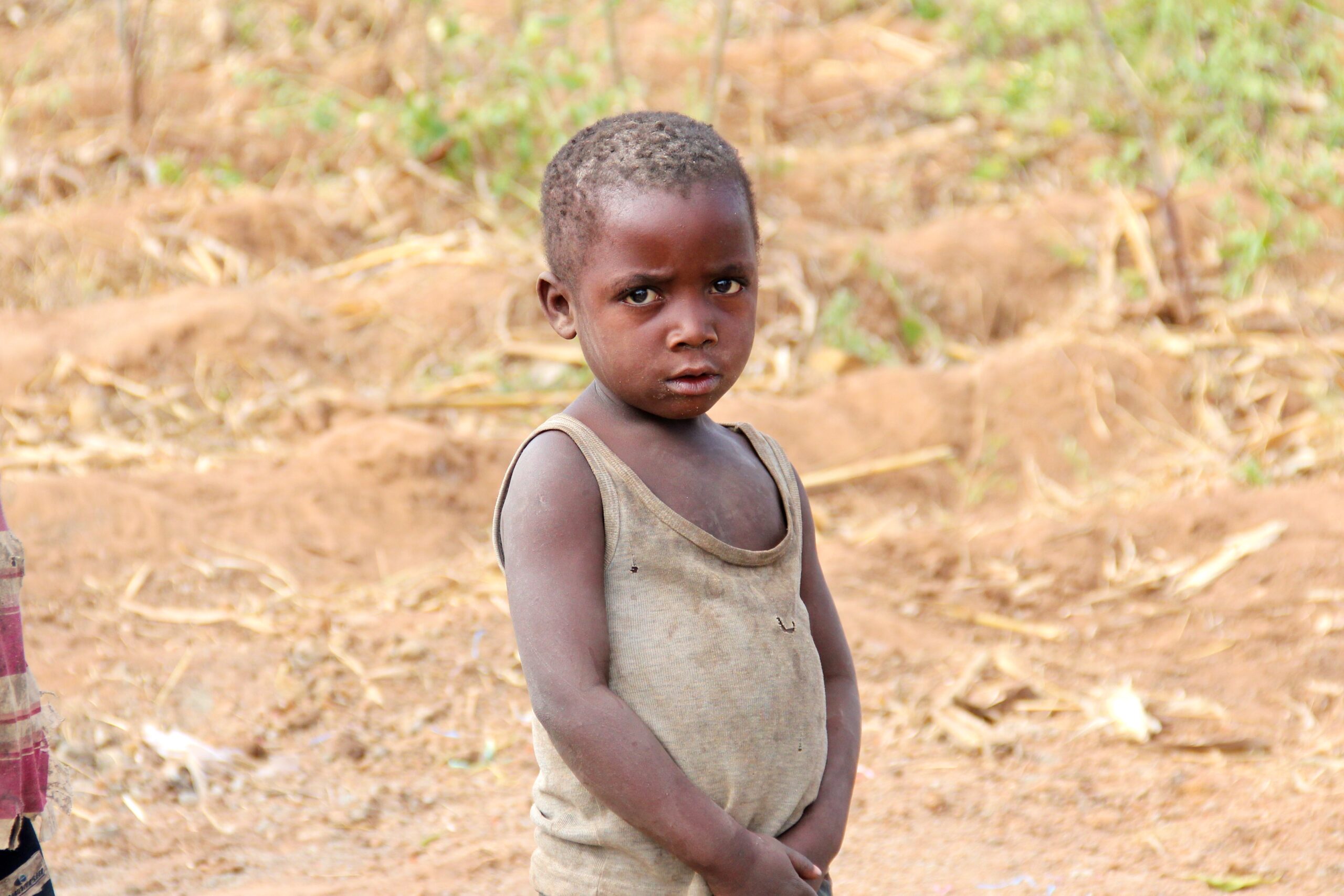 These climate refugees will come from two kinds of places: lands that will have too much water, and lands that won’t have enough water.
Millions of people will be forced to flee their homes as rising seas engulf coastal areas. For example in Bangladesh, the most heavily flooded country in the world, a one meter rise in sea levels would inundate 20 percent of Bangladesh’s habitable land and destroy the homes of 15 million people. The rise in global sea levels will have even more cataclysmic consequences for small island nations and coral atolls, like the Maldives, Kiribati and the Marshall Islands, which collectively are home to over half a million people. These small islands lie almost entirely within three meters of sea level, and even a half meter rise in sea levels would reduce their habitable areas substantially and over half of their ground water would be contaminated by saltwater intrusion. The costs of protecting themselves from rise in global sea levels would far exceed the resources of small island nations and many, like the Maldives, would have to be abandoned. In effect global warming could destroy whole nations forever wiping their unique culture and society off the map.
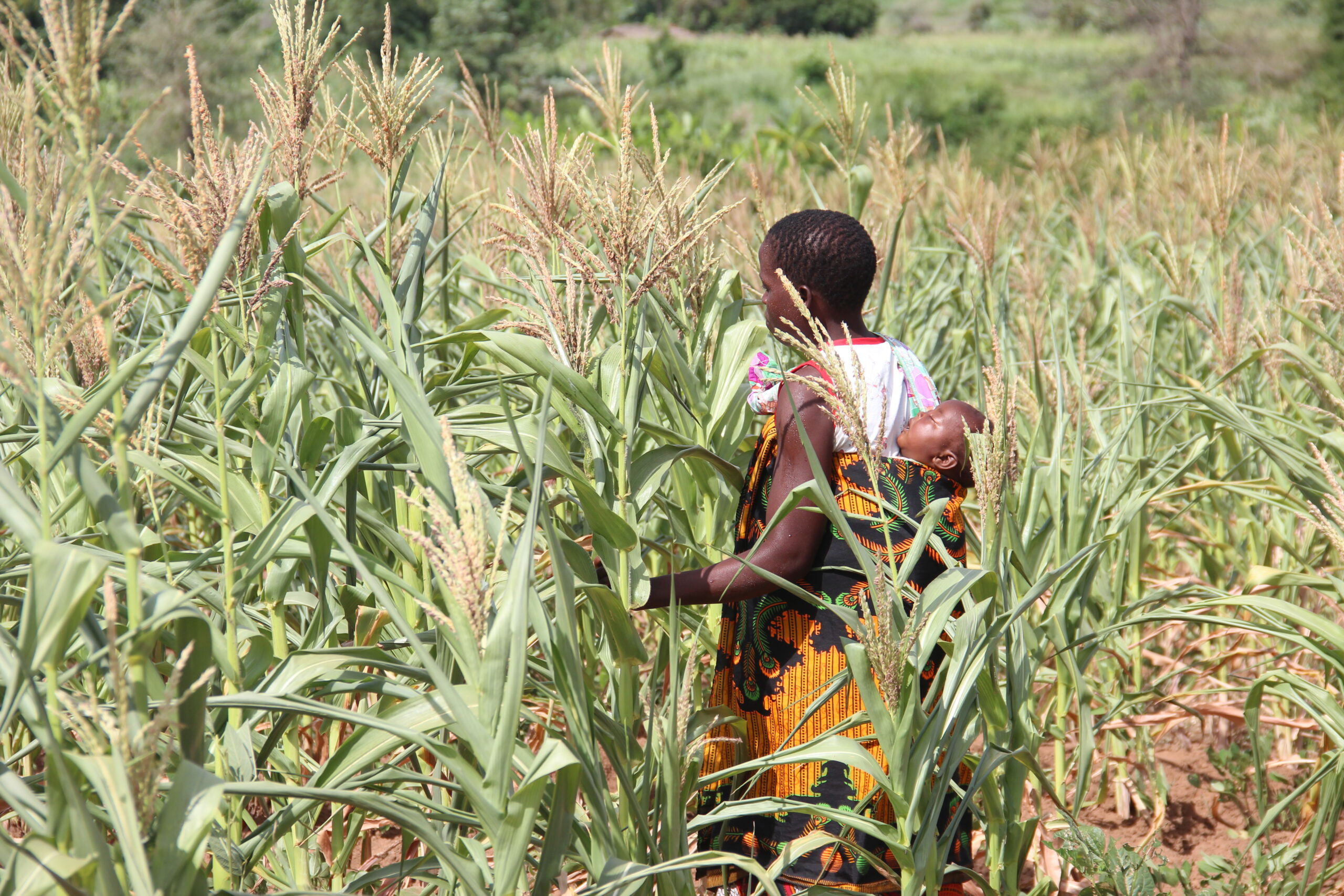
But the vast majority of future climate refugees will be from countries like Malawi. Leading climatologists predict that during the course of the 21st century, Malawi will become much hotter and drier than it is today. This is dire news for the subsistence farmers in our catchment area, 95% of whom did not have food left by the beginning of this year’s harvest. On top of this, Malawi is on the brink of a demographic time bomb. Malawi has a population of over 18 million and with the second highest population growth rate in the world, the population is projected to more than double to 37 million people by 2050. This has all the makings of an ecological, environmental and country-wide catastrophe; twice as many people, trying to live off of the same amount of land, with steadily depleting soil, in hotter conditions, with less water.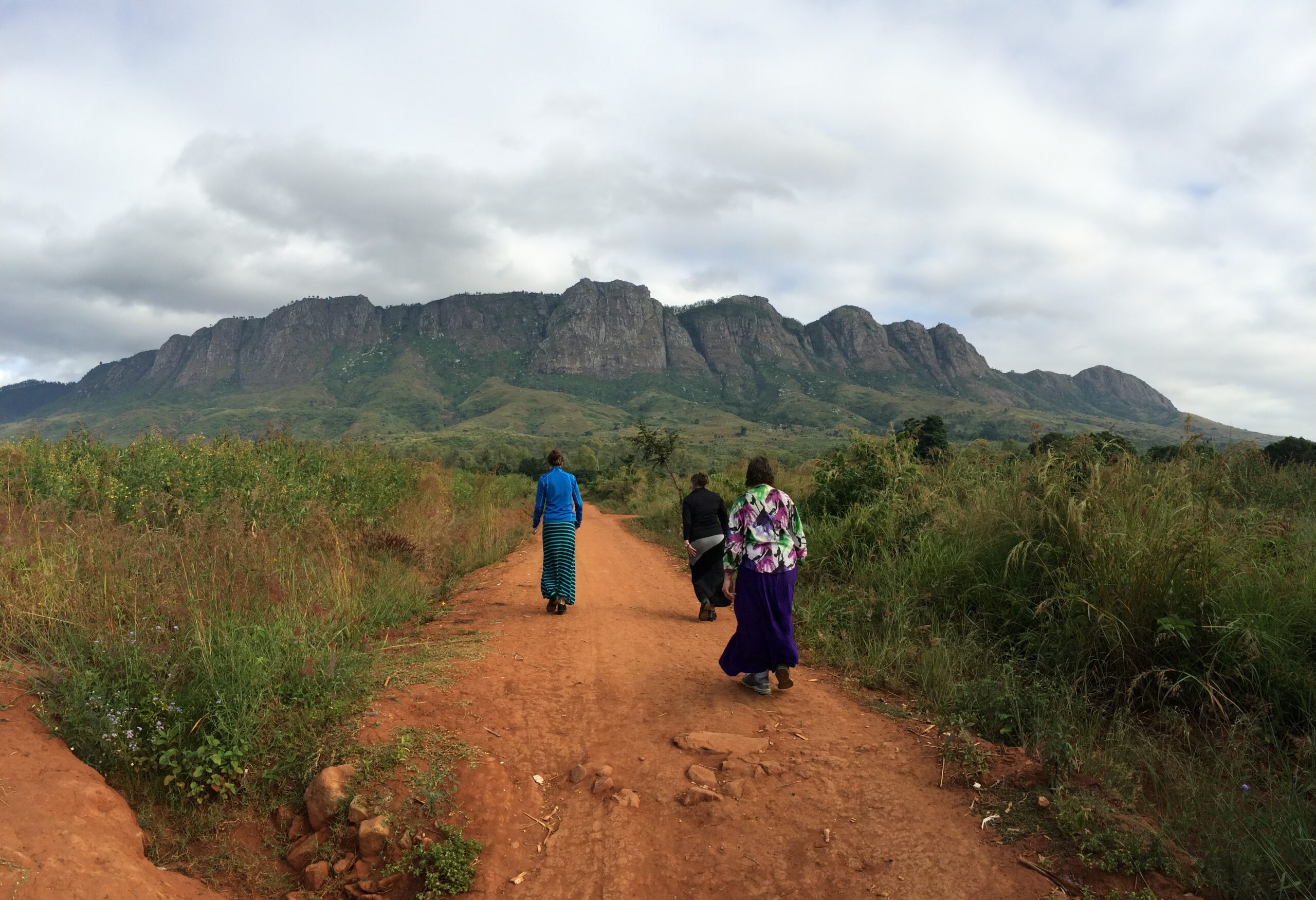
By midcentury Malawi’s roads could be choked with millions of refugees, fleeing a land no longer capable of supporting them. This process has already begun in the West African Sahel. Tens of thousands of people are leaving their homes in Niger and Mali to try to find new lives in North Africa and Europe, as the days have grown hotter and the rains scarcer. VIP is determined not to allow this to happen to the people of Malawi. We can’t stop climate change. But we can do everything in our power to help the people of Malawi adapt to the impacts of a warming planet, whether it be through our investments in solar irrigation or our reforestation programs. We are determined to work alongside the people of Malawi so that regardless of what changes come, they can live and thrive in the country of their ancestors, their home. Won’t you please join us? Donate today!